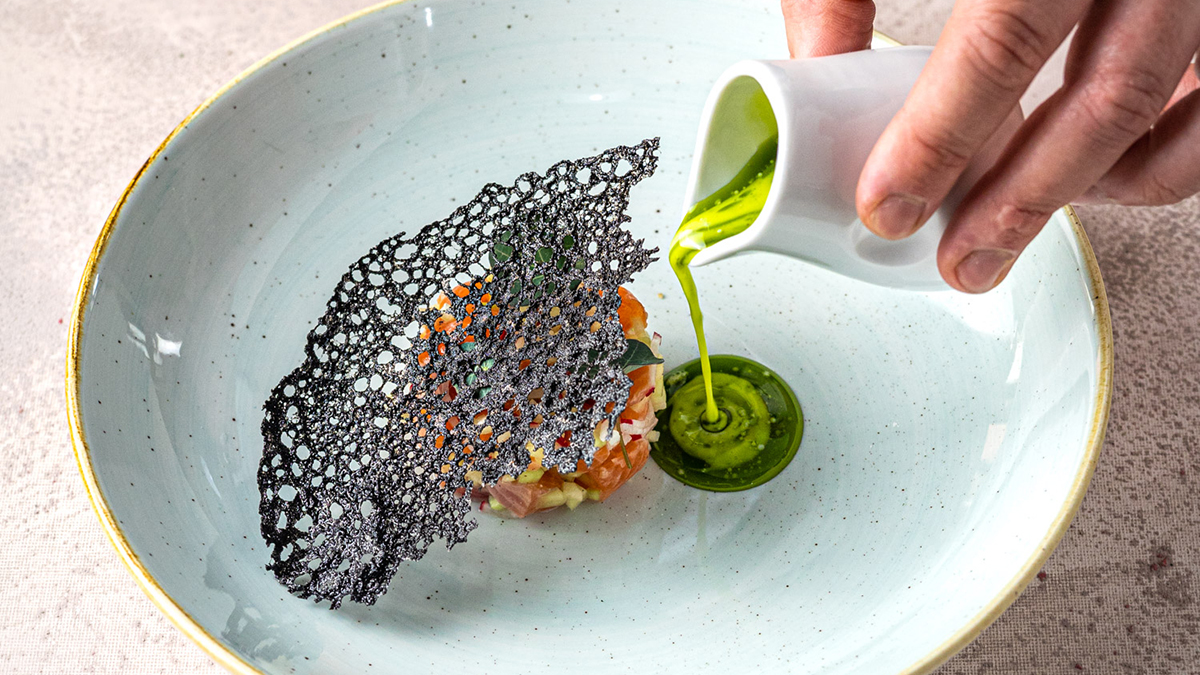
Why a Level 4 Culinary Diploma Can Be a Smarter Choice Than a University Degree
For many young people who love food, the dream is simple: to cook, to create, and to build a life in the kitchen. But the path to get there isn’t always obvious. Should you go to university for three years? Or take a professional diploma that gets you into the industry faster?
More and more students are discovering that a Level 4 Professional Culinary Diploma offers a clearer, more efficient, and more affordable route into the world of food. Here’s why.
1. It costs far less — and avoids long‑term debt
University is a major financial commitment. Over three years, most students spend:
- £27,750 on tuition
- £18,000–£27,000 on accommodation
- £45,000–£55,000 in total
A Level 4 Diploma is different:
- £15,000 tuition (including equipment, exam fees, and daily lunch)
- £2,000–£3,500 accommodation
- £17,000–£18,500 in total
That’s a saving of £28,000–£36,500. For many students, it means starting their career without the weight of long‑term debt.
A culinary diploma is nearly one third of the student cost of university.
Prospects for WhitePepper alumni are so promising that it should be possible to get a Return on Investment (ROI) within 6-12 months following successful graduation.
2. You start your career in months, not years
A Level 4 Diploma takes just 16 weeks at WhitePepper Chef Academy. That means:
- you can enter the industry immediately
- having Learnt-well you can Earn-well sooner
- you gain experience while university students are still in lectures
In hospitality, experience is everything. Starting three years earlier gives you a real advantage — more confidence, more responsibility, and more opportunities.
3. Our 360°education approach over academic theory
Including:
- Comprehensive professional techniques,
- Food Provenance Development,
- Commercial Development,
- Career Development
A Level 4 Diploma is built around these proficiencies. It prepares you for the real world of professional cooking.
University degrees often include hospitality theory, management modules, and academic coursework. Useful for some careers, but not essential for becoming successful in the food industry.
4. It’s a regulated qualification with real credibility
A Level 4 Diploma sits at the same academic level as a foundation degree, but with a practical, industry‑ready focus. It gives you:
- an internationally recognised qualification
- a clear pathway to further study (it builds national framework credits, which could be used towards further/higher education)
- confidence that your training meets international standards
It’s a strong foundation for a long‑term career i.e. its the only significant training that you will require for your career.
5. You progress faster and earn sooner
Starting work at 19 instead of 22 or 3 years earlier (whatever age you are) means;
- earlier promotions
- earlier pay rises
- earlier opportunities to specialise
- earlier entry into private cheffing, events, or entrepreneurship
Those three extra years of experience can be worth tens of thousands of pounds — and often lead to senior roles sooner.
6. It suits students who learn by doing
If you prefer:
- kitchens over classrooms
- hands‑on learning over essays
- real service over theory
…then a Level 4 Diploma is built for you. It’s immersive, practical, and designed for students who want to cook professionally, not study hospitality from a distance.
The bottom line
A Level 4 Professional Culinary Diploma offers:
- lower cost
- faster entry into the industry
- stronger early‑career momentum
- a regulated qualification
- skills that employers genuinely want
- Carries WhitePepper Career Support
For students who want to build a real career in food, it’s not just an alternative to university — it’s often the smarter, more efficient, and more rewarding path.
Related Posts
Ingredients (Makes 2 Mini Loaves) 250g plain flour 10g caster sugar 1 ½ tsp baking powder 1 tsp sea salt 110g butter, melted [...]

Use the below image to print your gift at home. Gift Card (Classic Version) Gift Card (Christmas Version)

Let's take a culinary journey across the globe, diving into the rich and diverse world of international cuisines. From the robust flavours of [...]